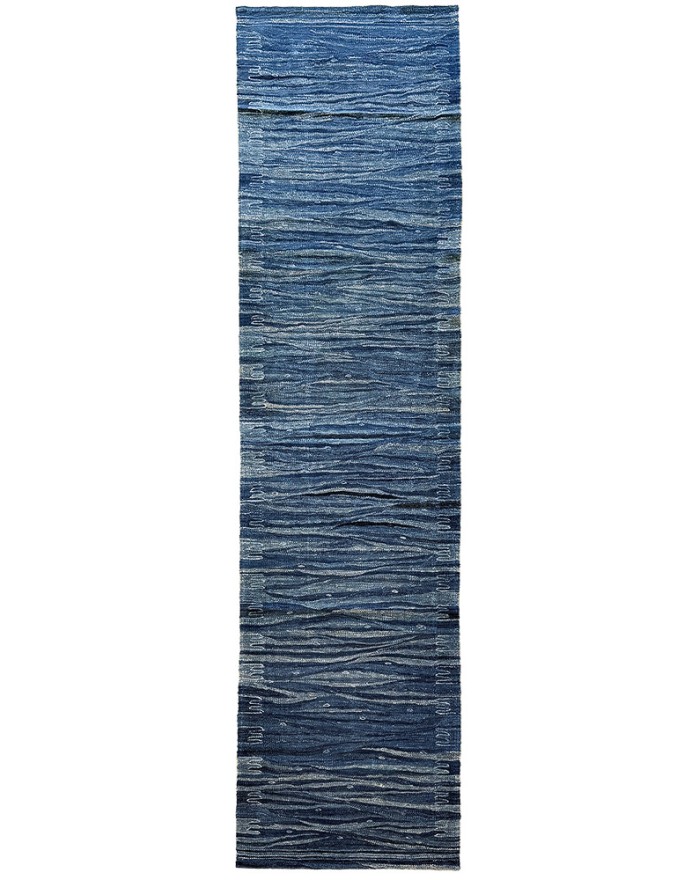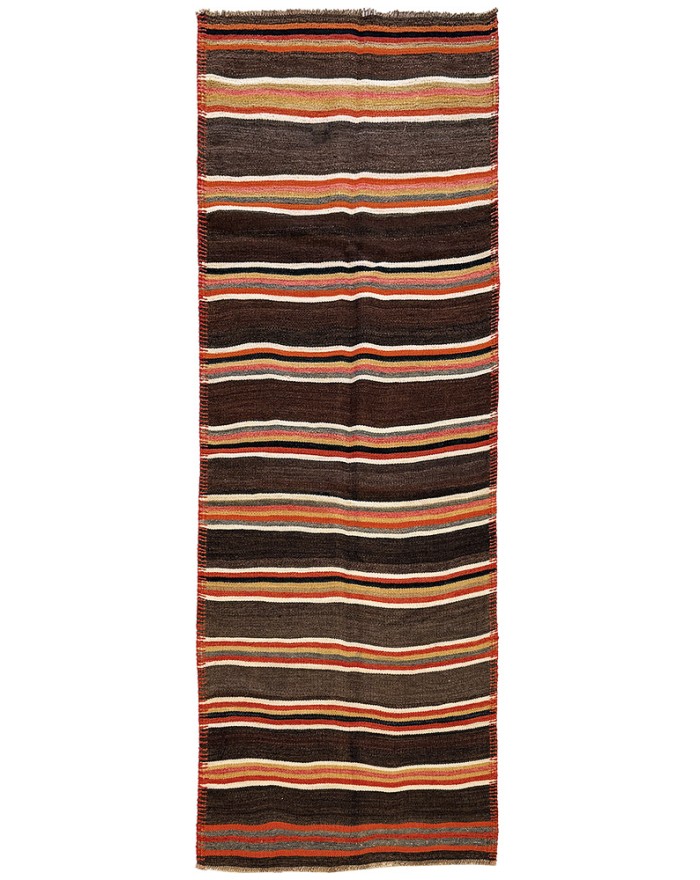
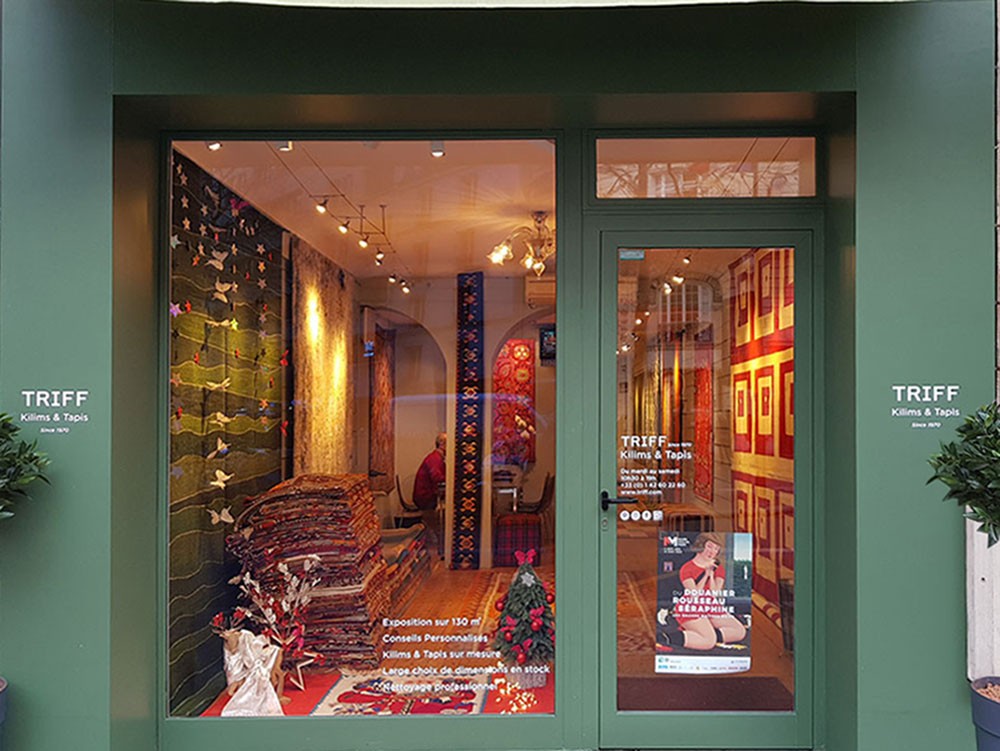
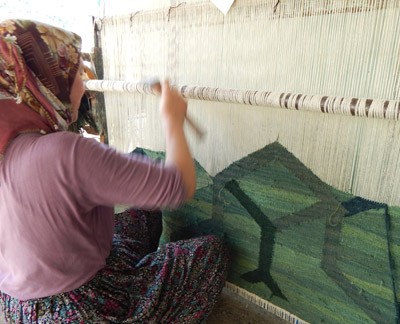
A specialist in kilims since the early 1970s, the TRIFF gallery has largely contributed to making these weavings known in France and Europe. Since its creation, the gallery has always favored the criteria of quality, authenticity, aesthetics and originality for the choice of its kilims.
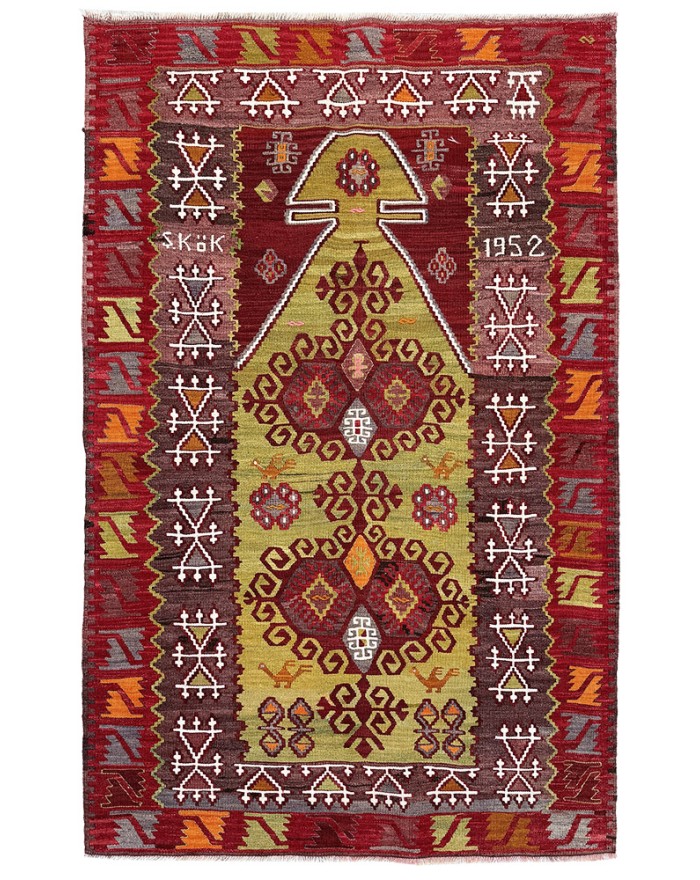
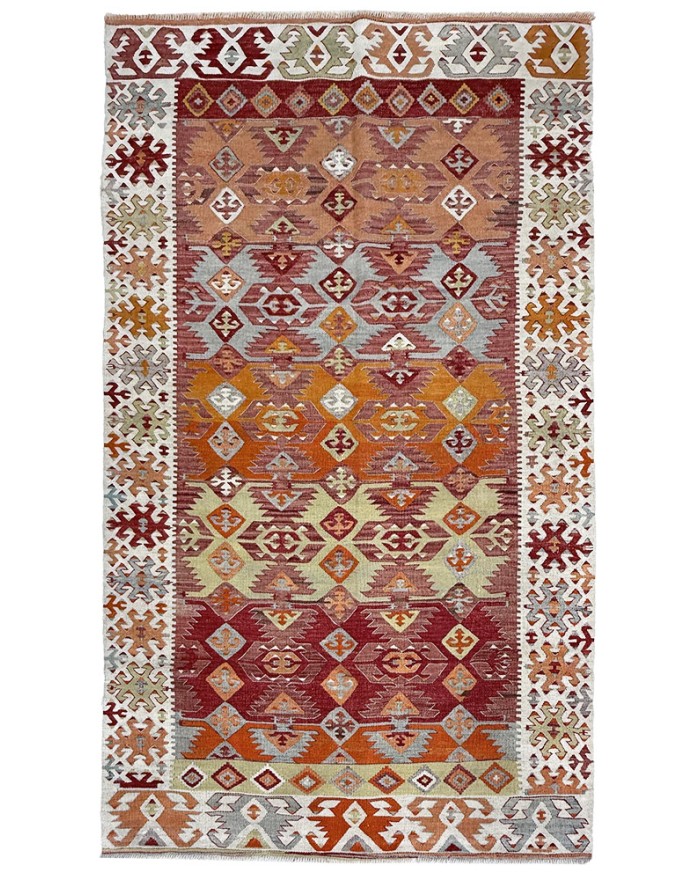
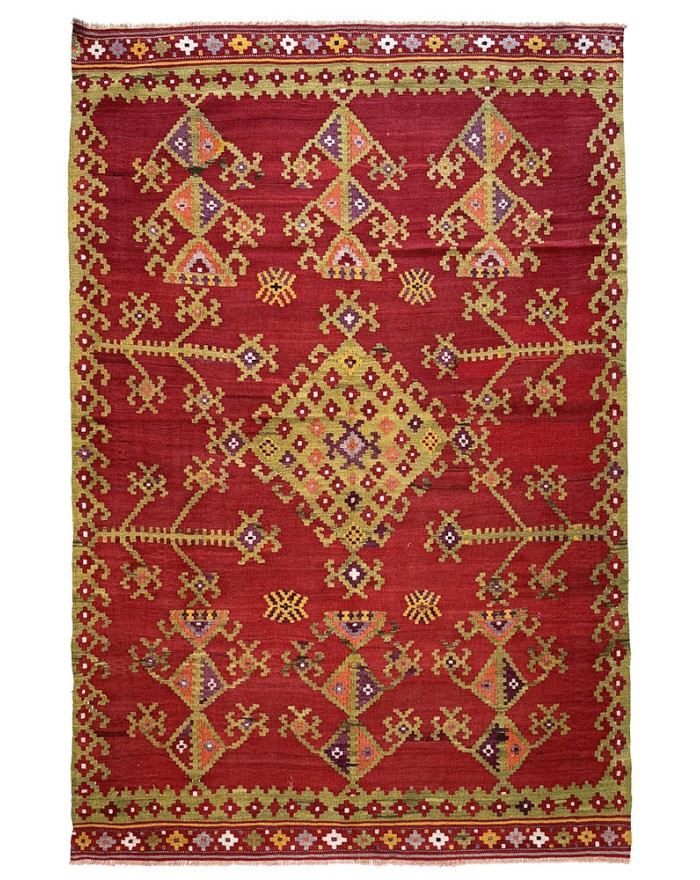
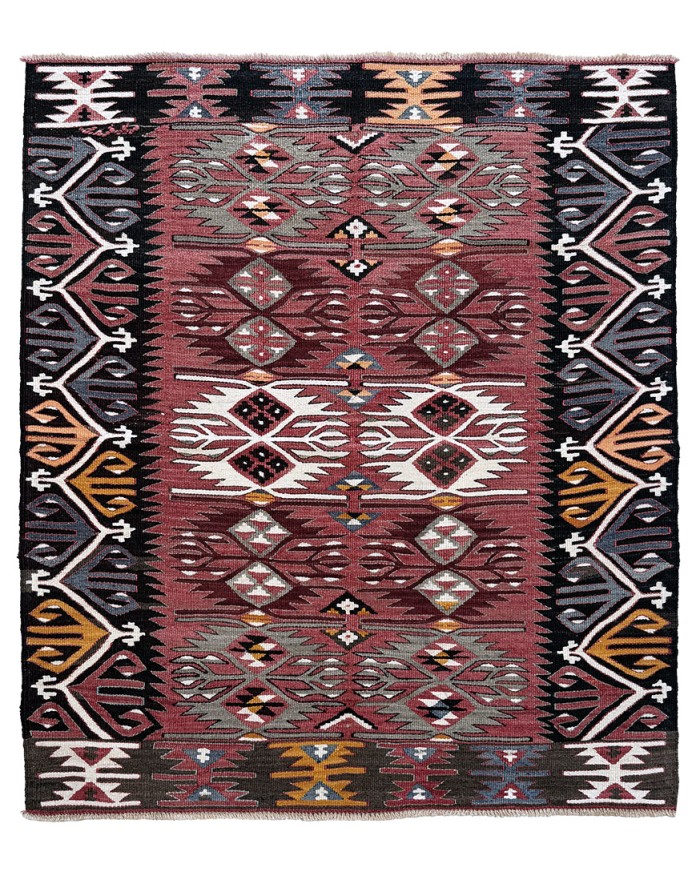
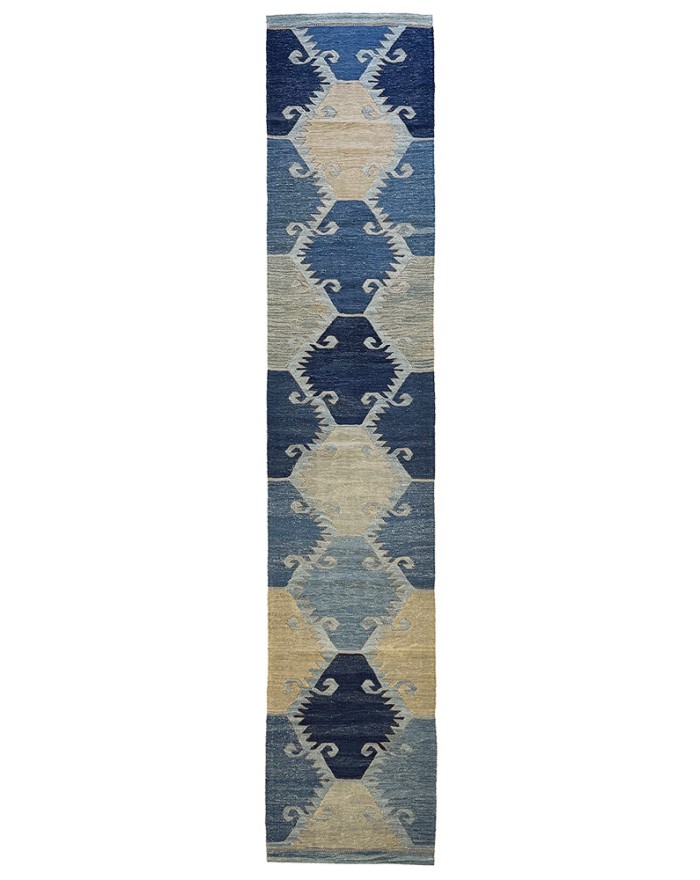
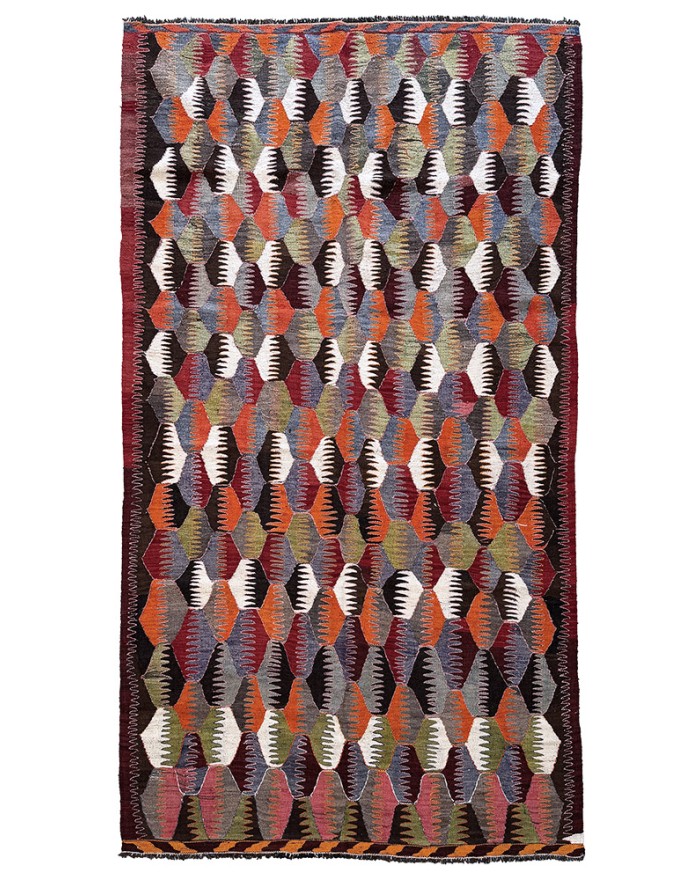
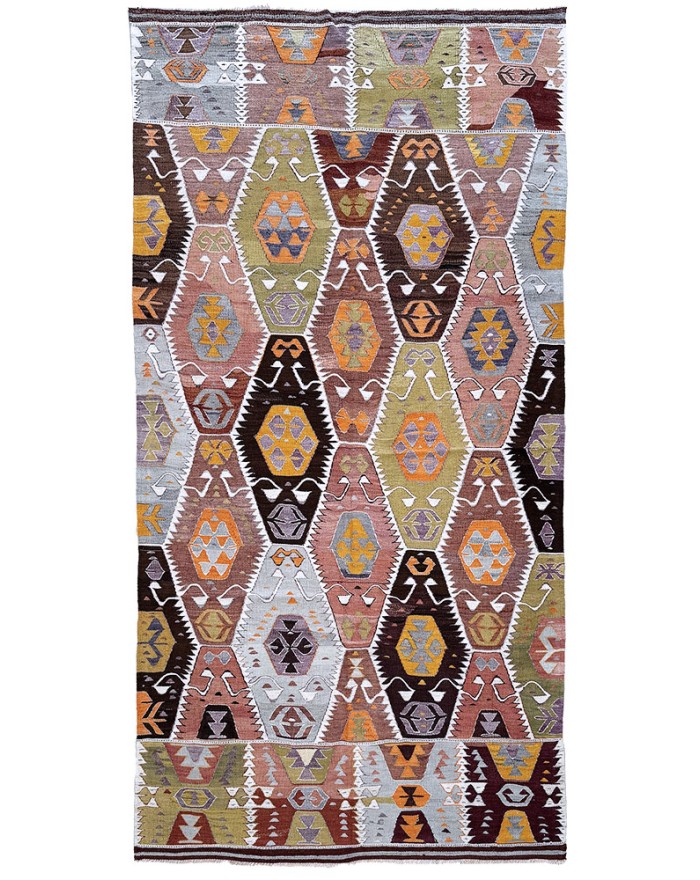
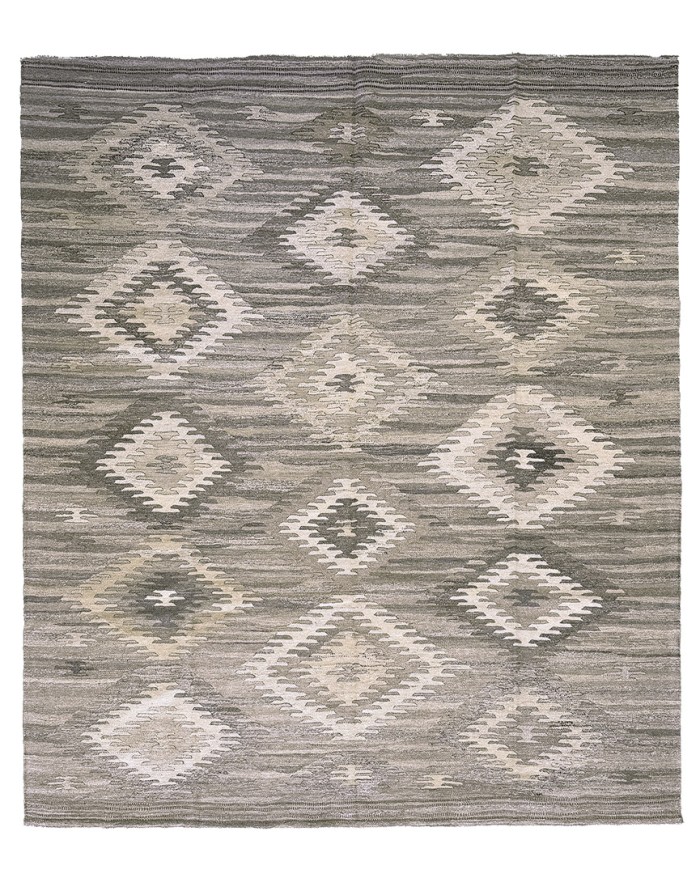
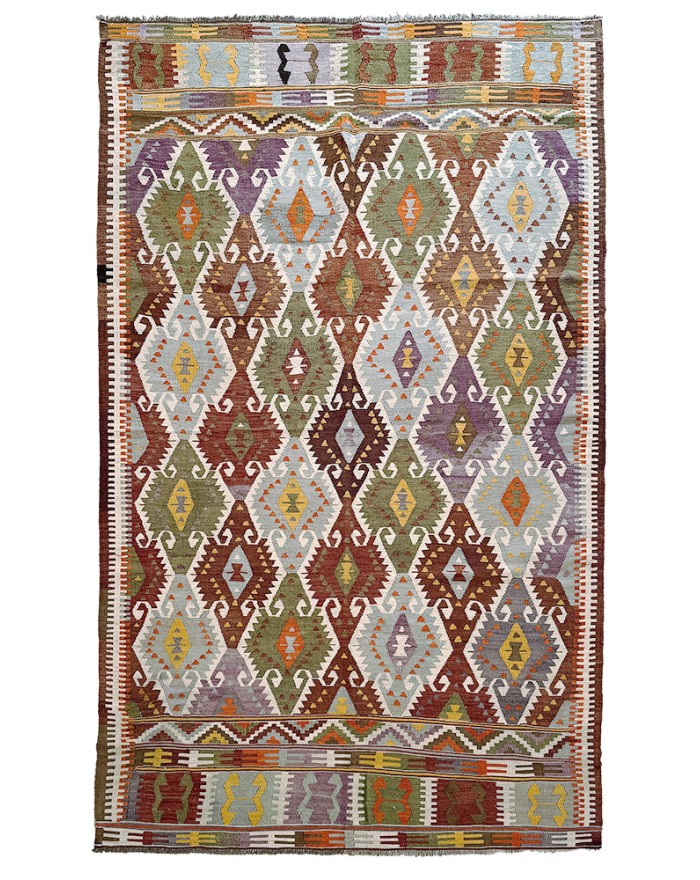
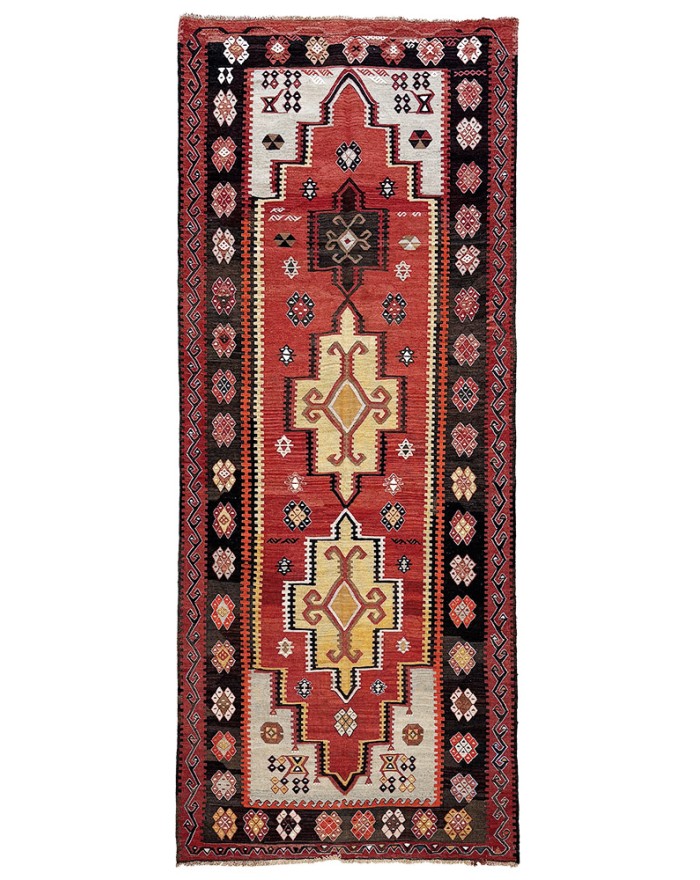
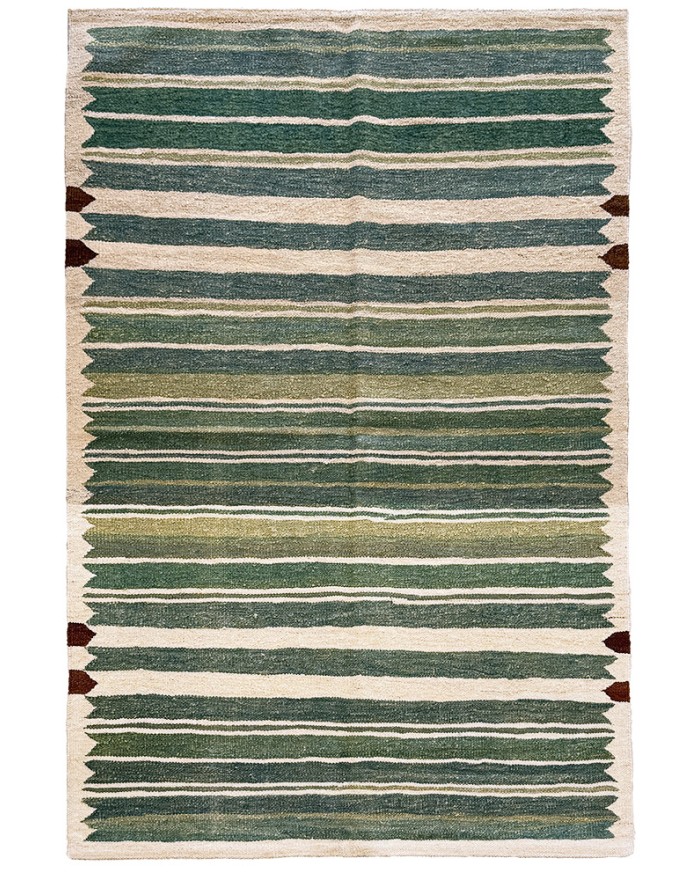
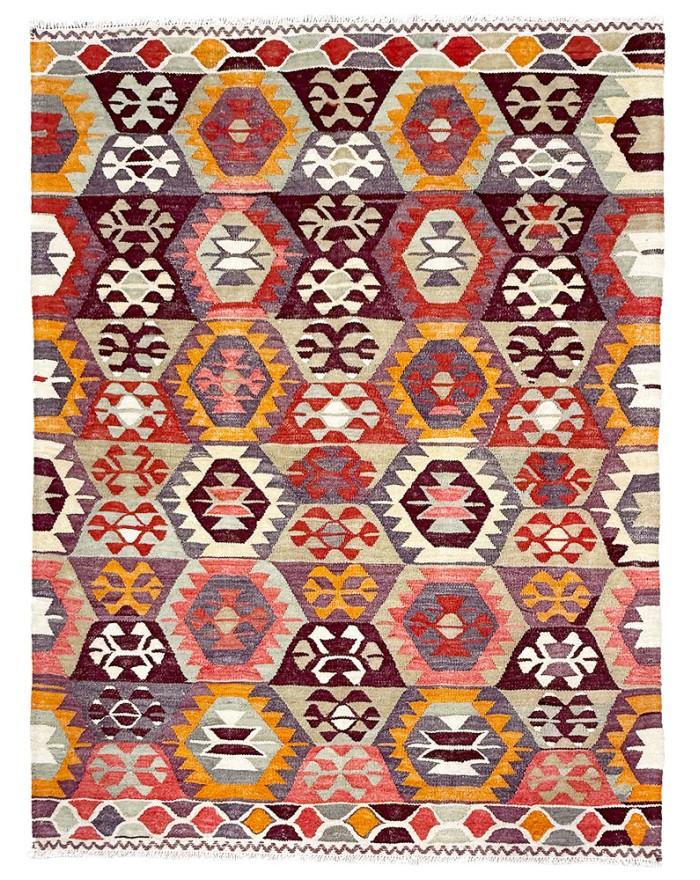
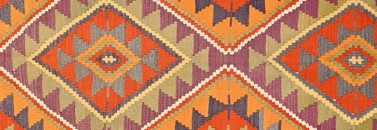
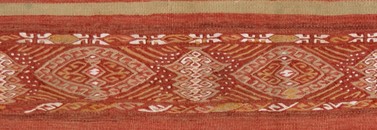
This kilim is quite characteristic of kilims from this region in terms of its colors and patterns.
However, the woman who wove it gave free rein to her imagination and creativity, both in the composition of the diamond shapes and in the small figures she inserted into her weaving
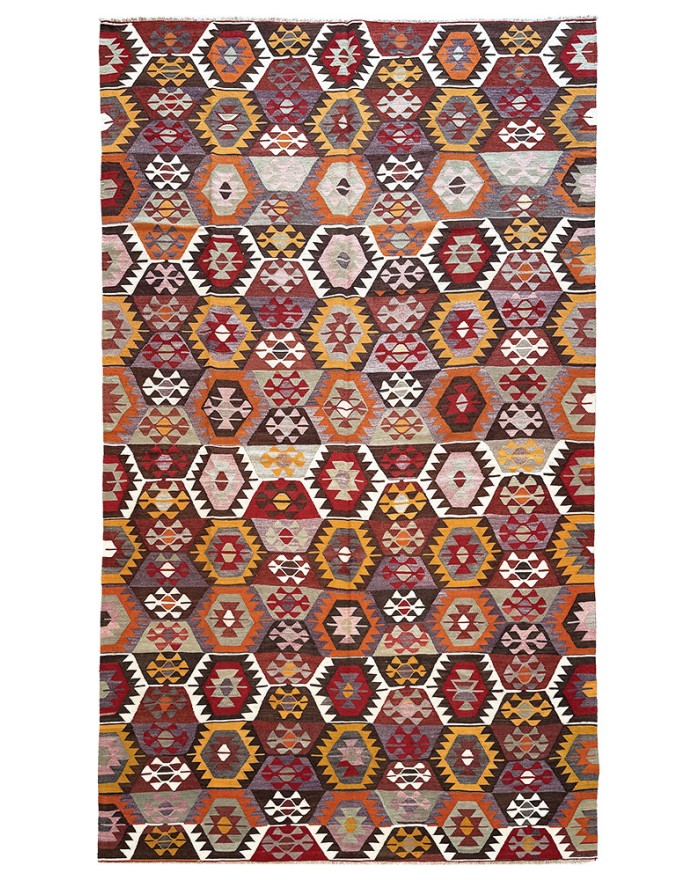
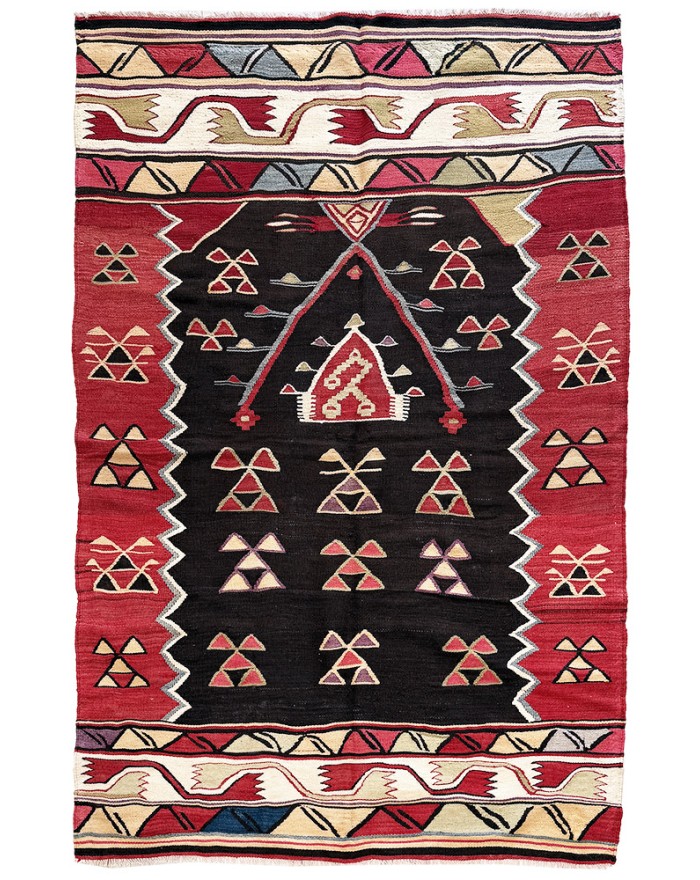
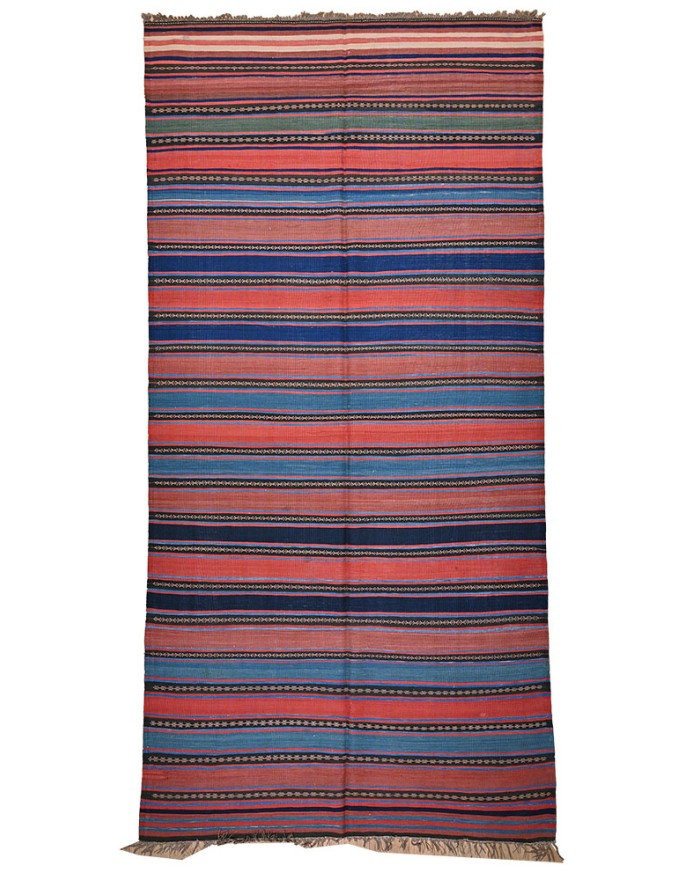
Mid-19th century kilim from the Reyhanlı region in the far southeast of Turkey
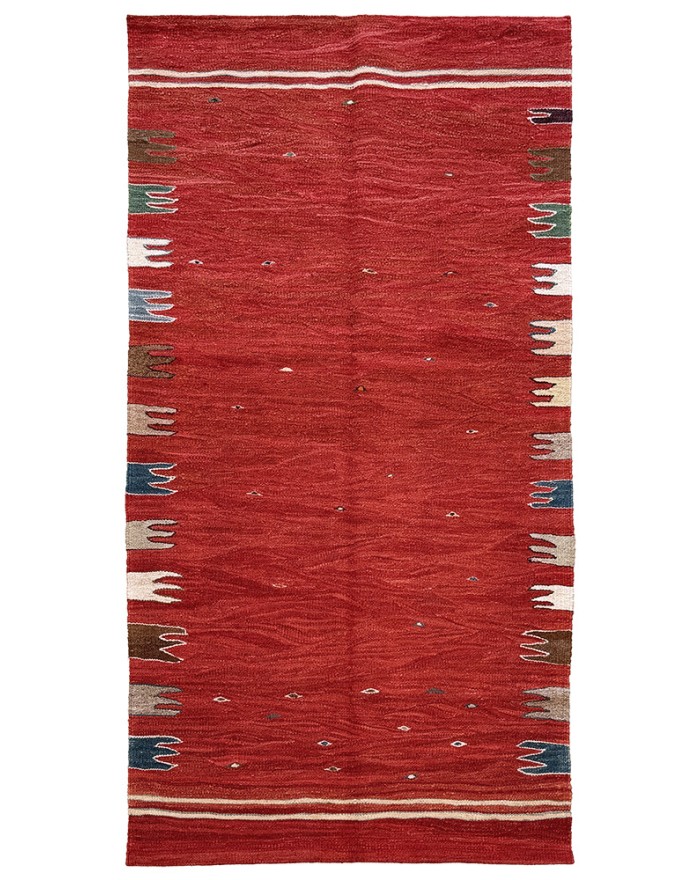
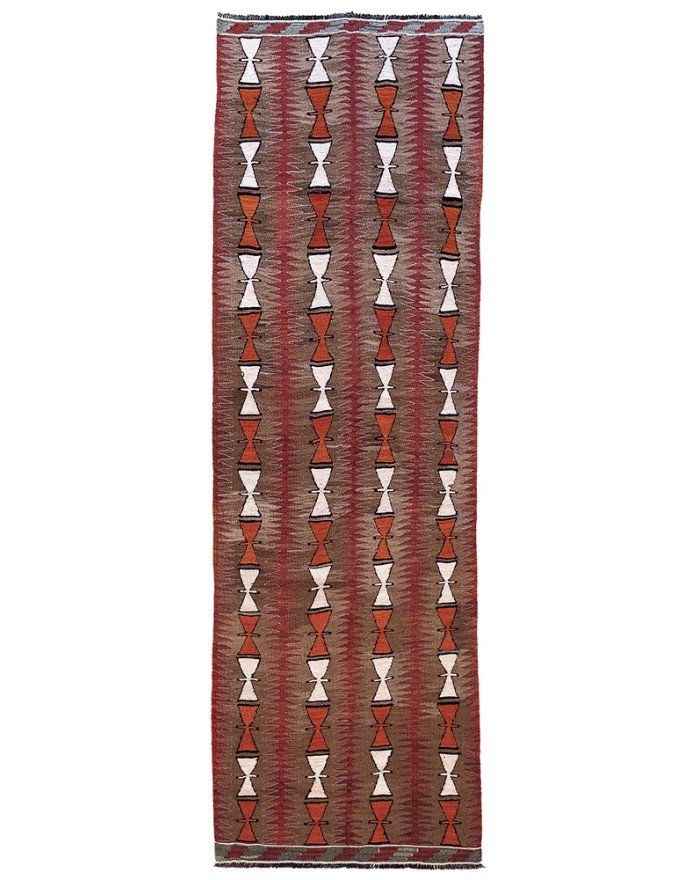
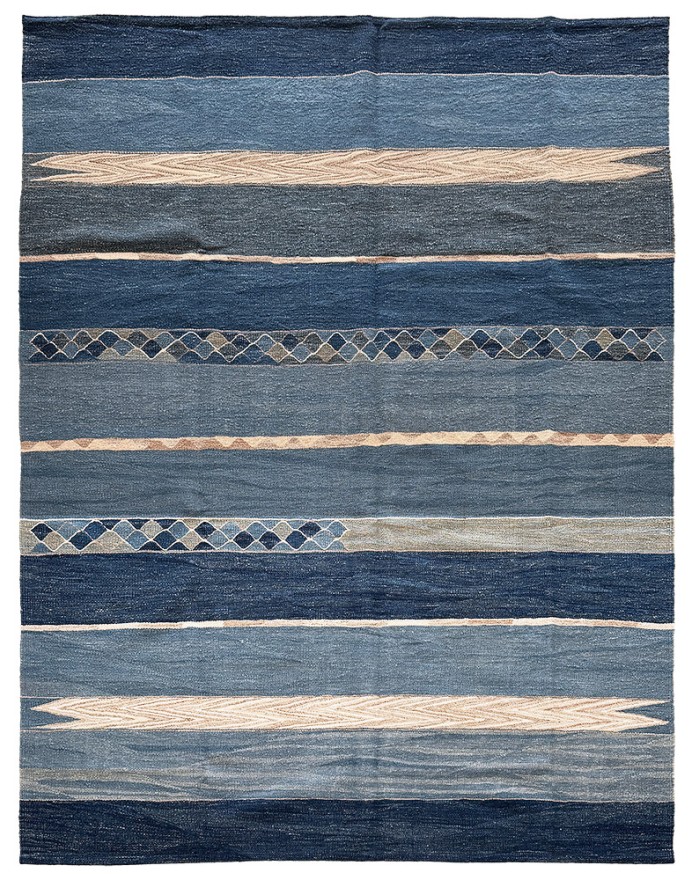
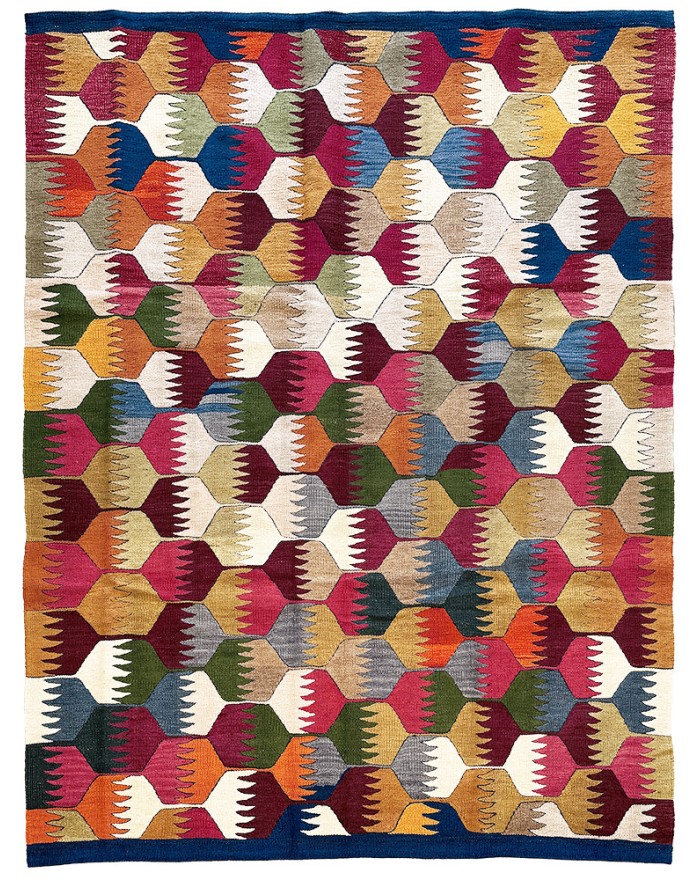
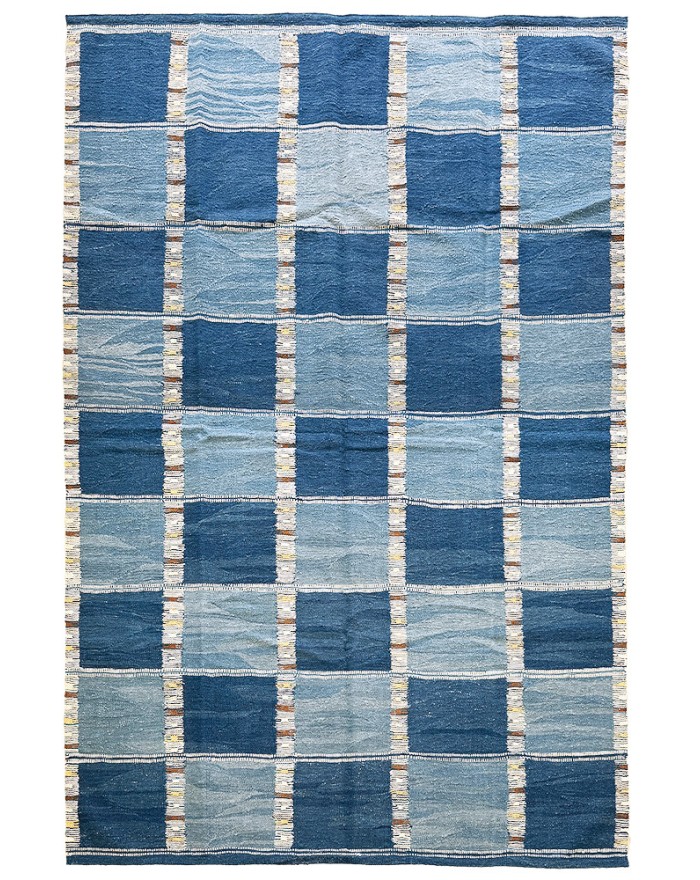
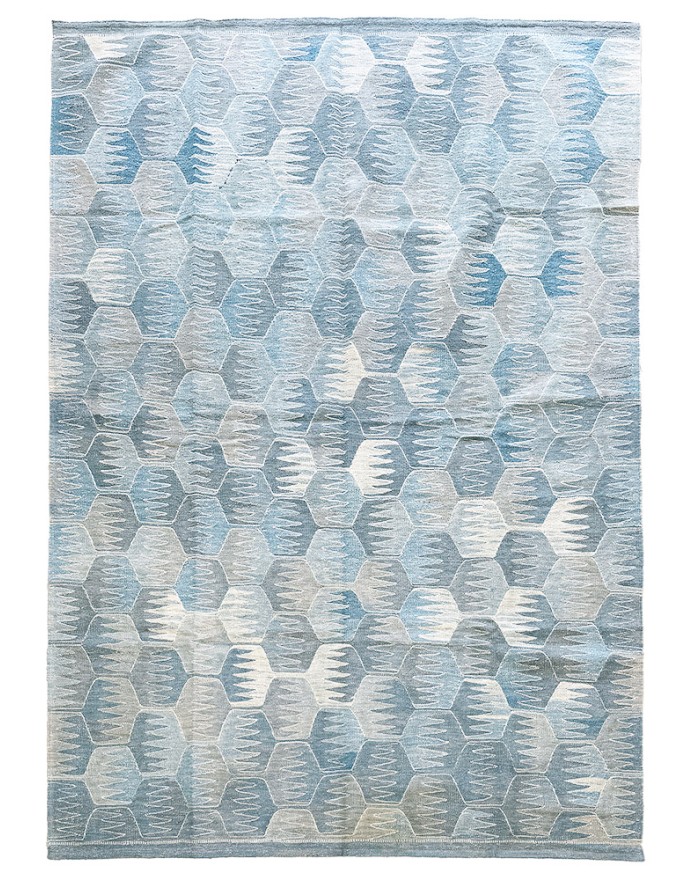
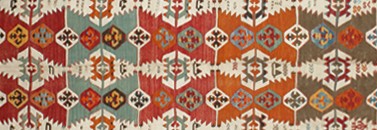
This kilim, woven in two parts, is very fine, and its colors are very characteristic of this region.
However, the pattern and color combinations are quite free, suggesting that it was not woven for commercial purposes, unlike many kilims from this region
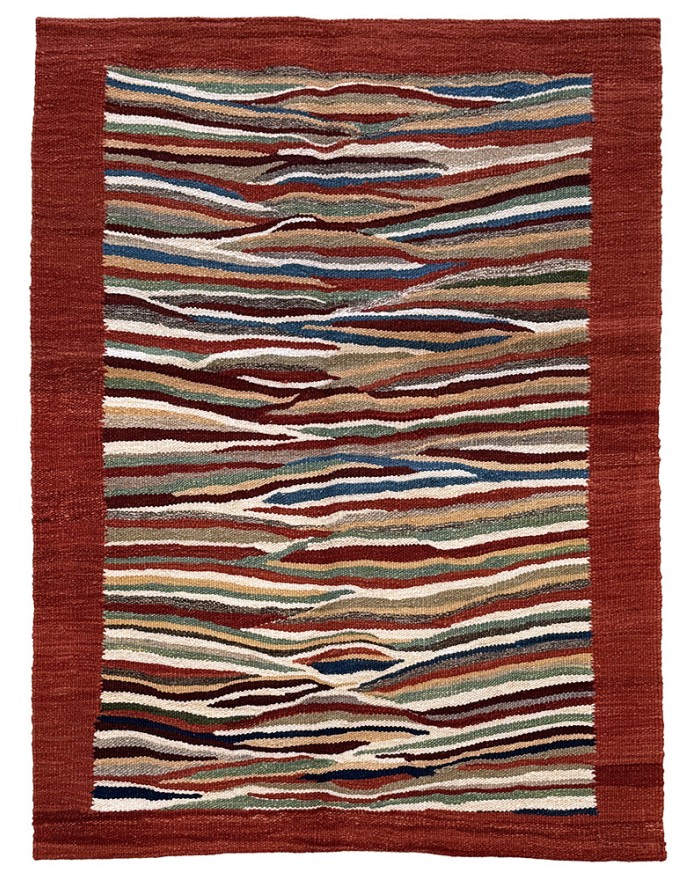
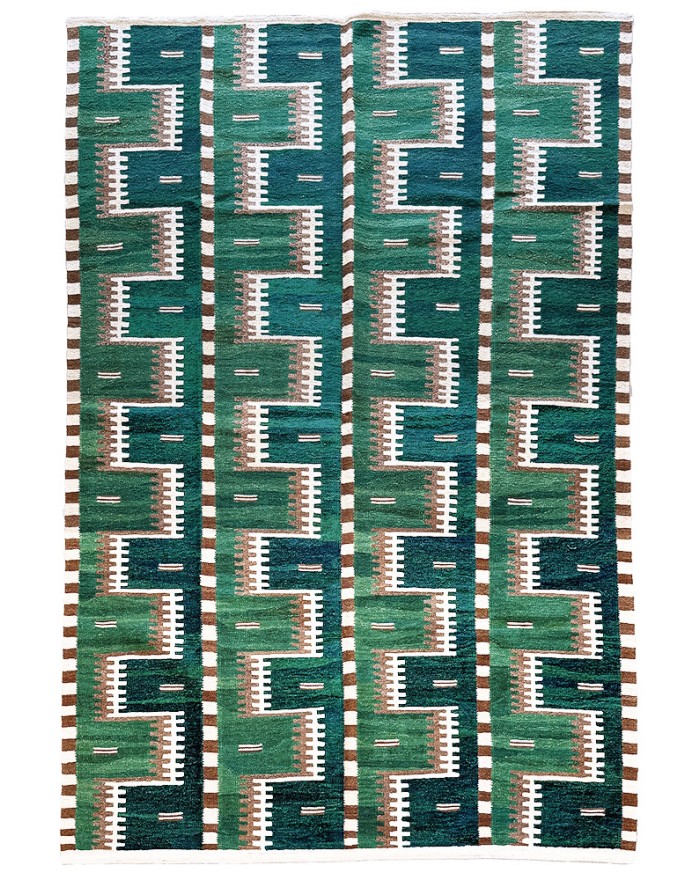
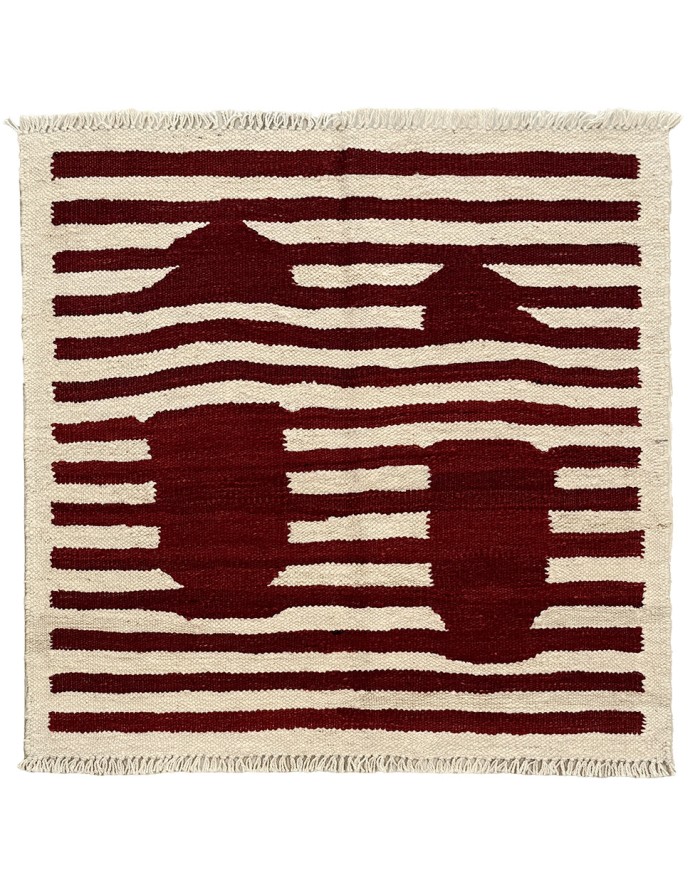
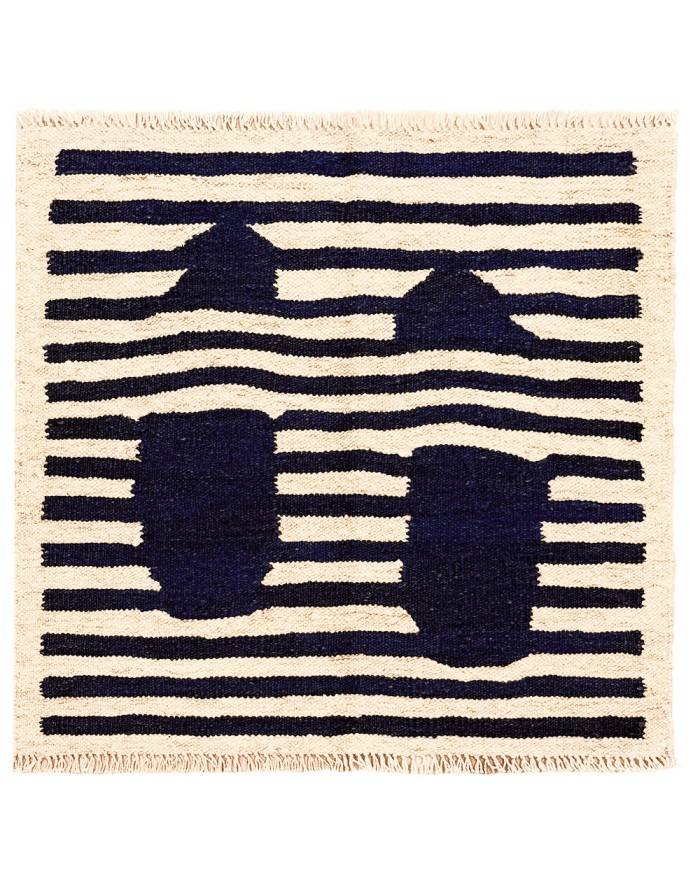
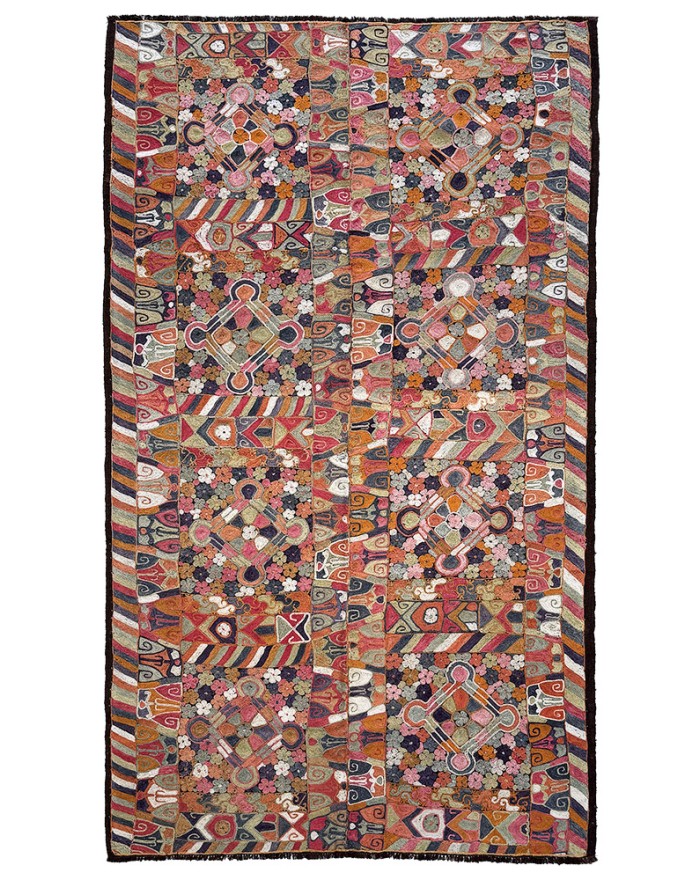
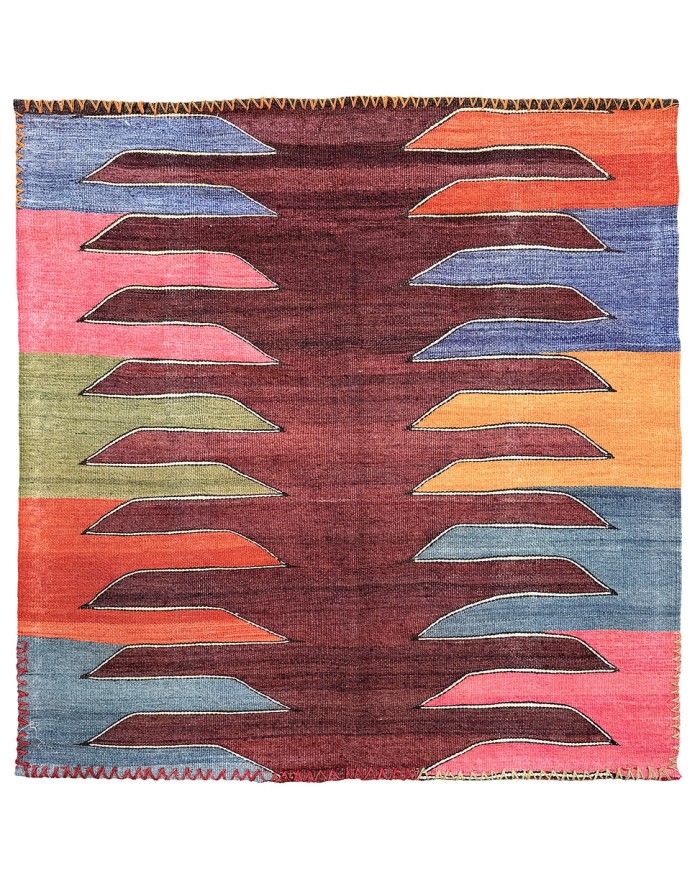
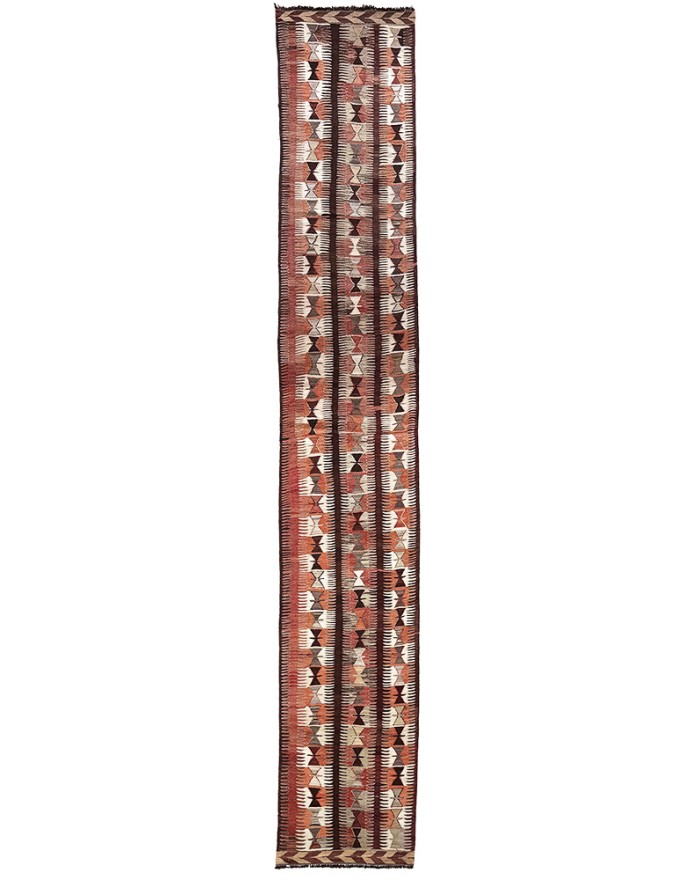
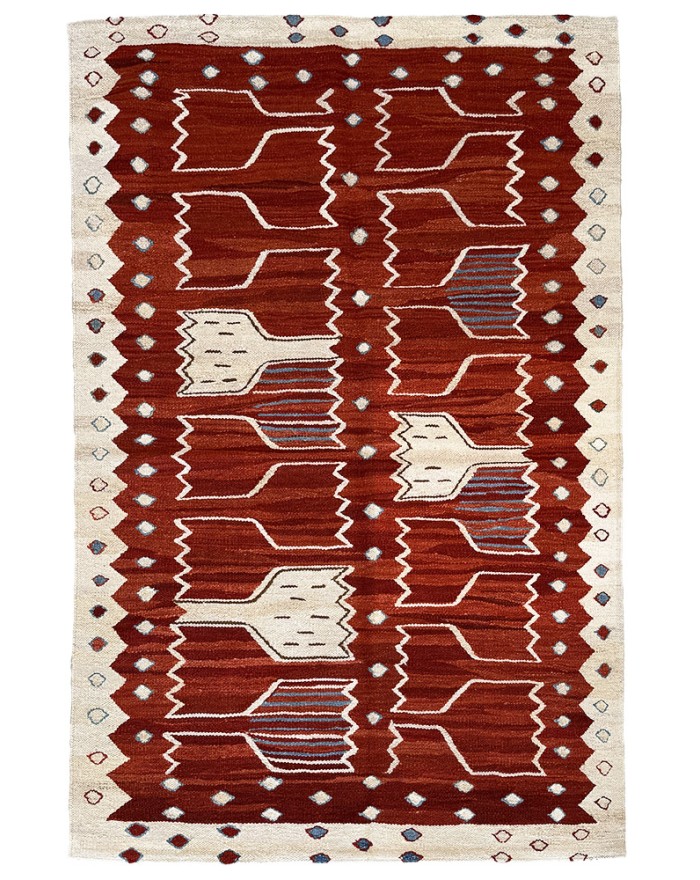
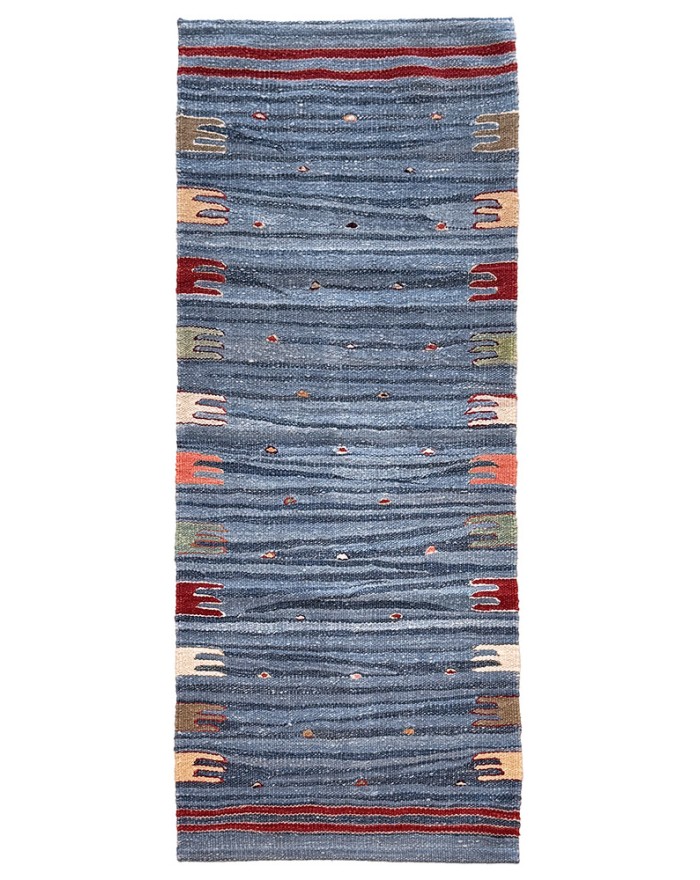
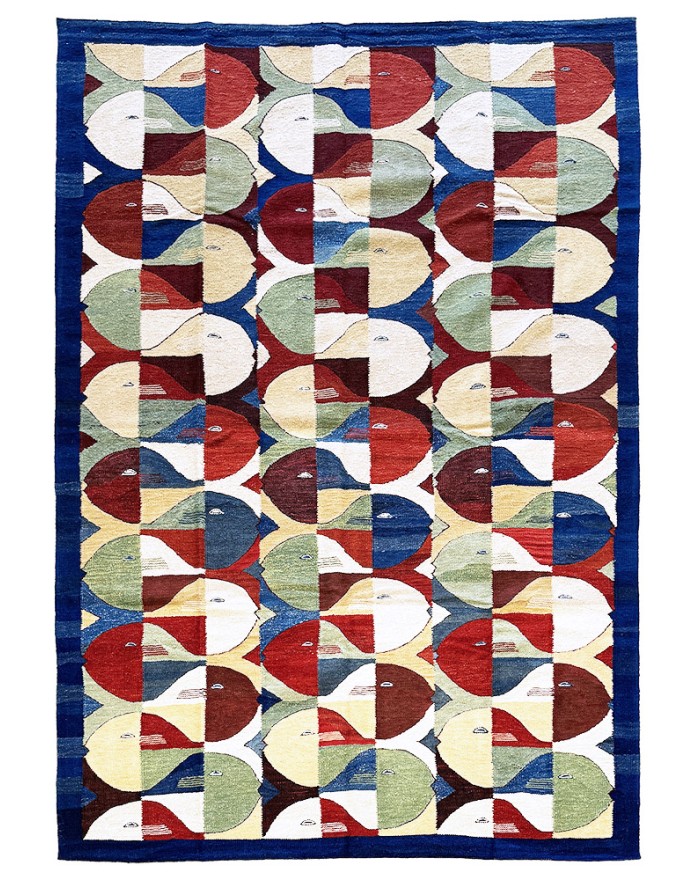
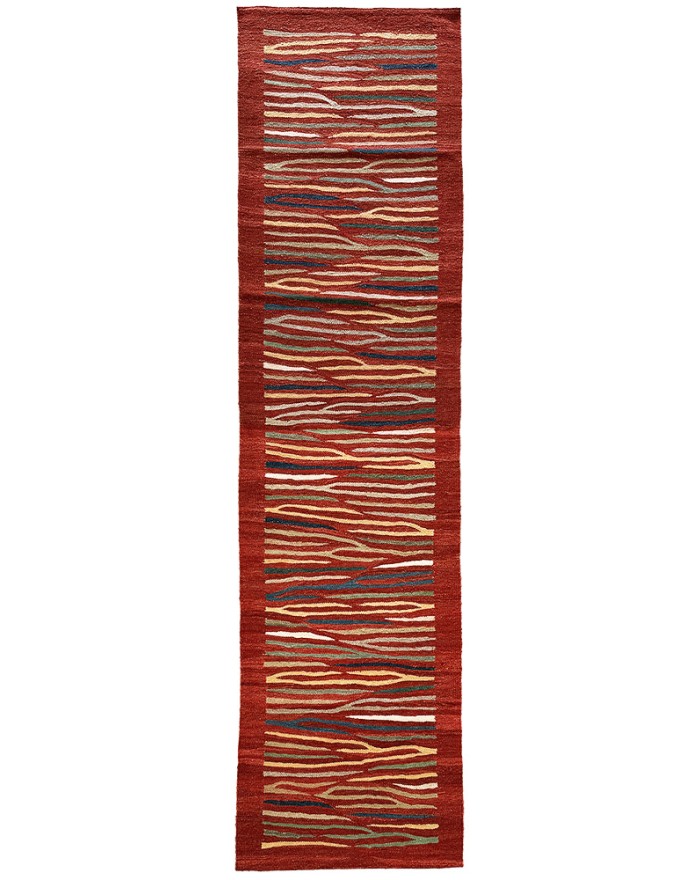
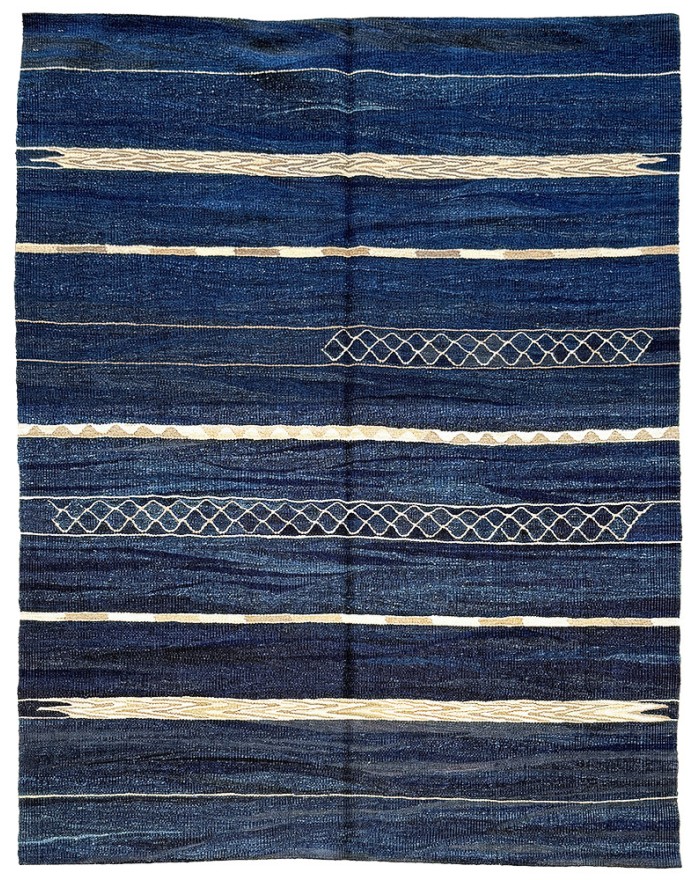
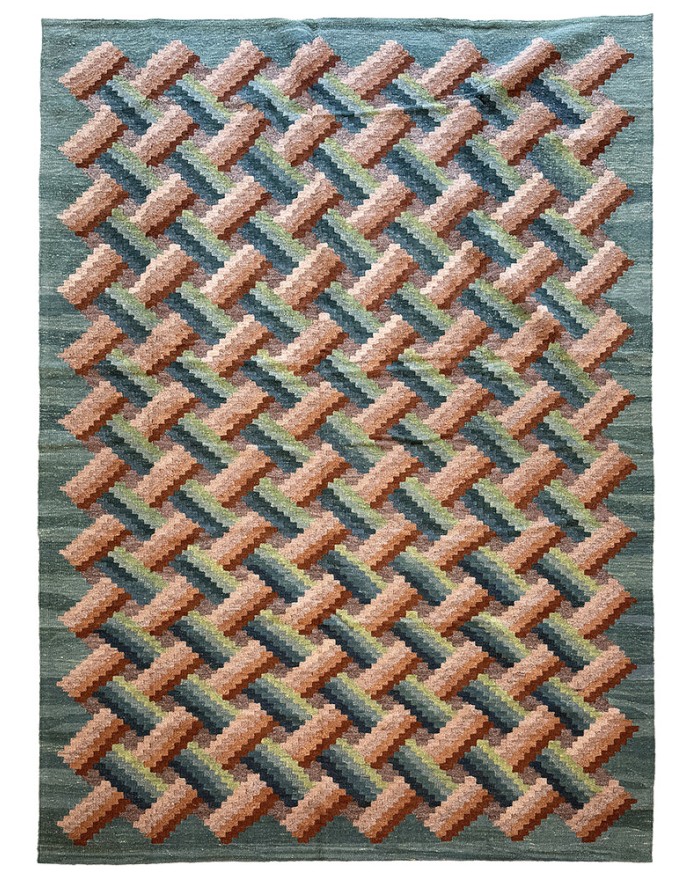
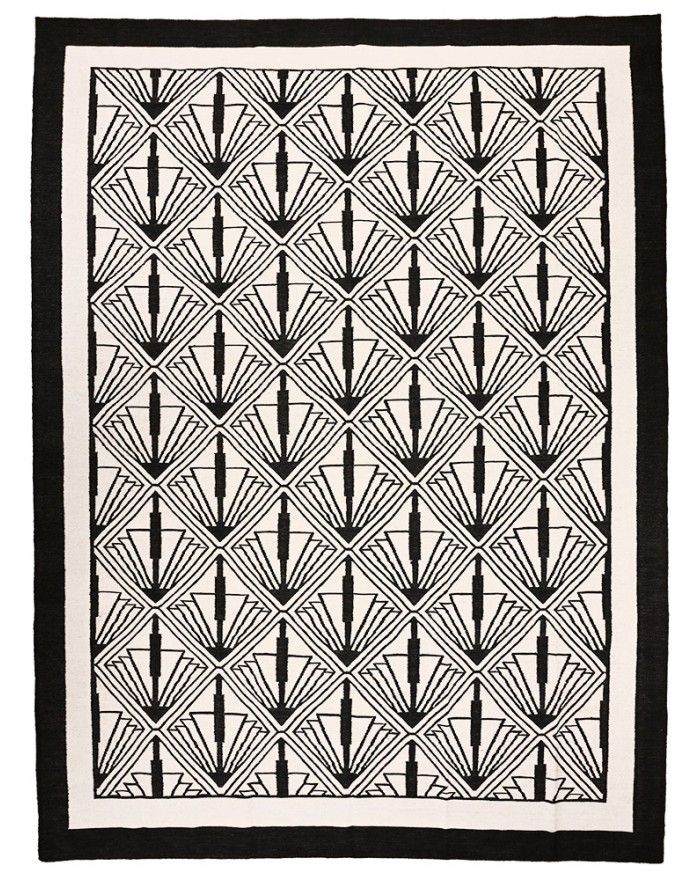
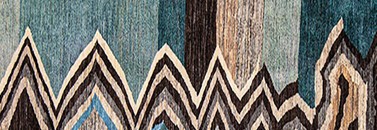
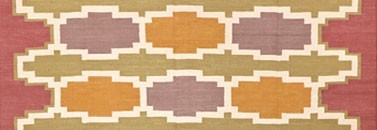
Kamoo sofreh are known for their high level of abstraction, but this one is totally amazing in its modernity and artistic power, highlighted by a choice of strong colors.
This piece can be hung on the wall like a painting.
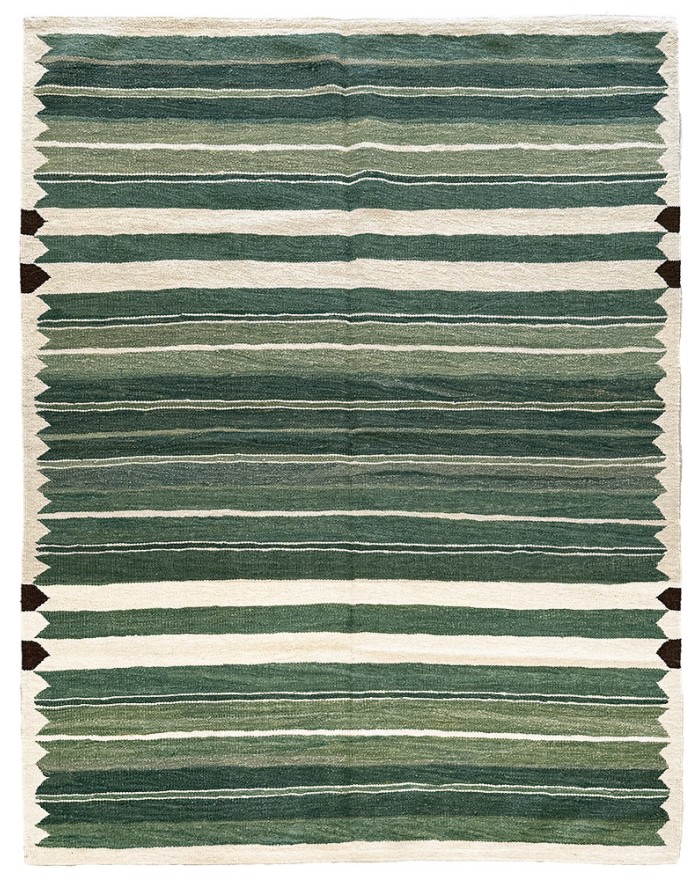
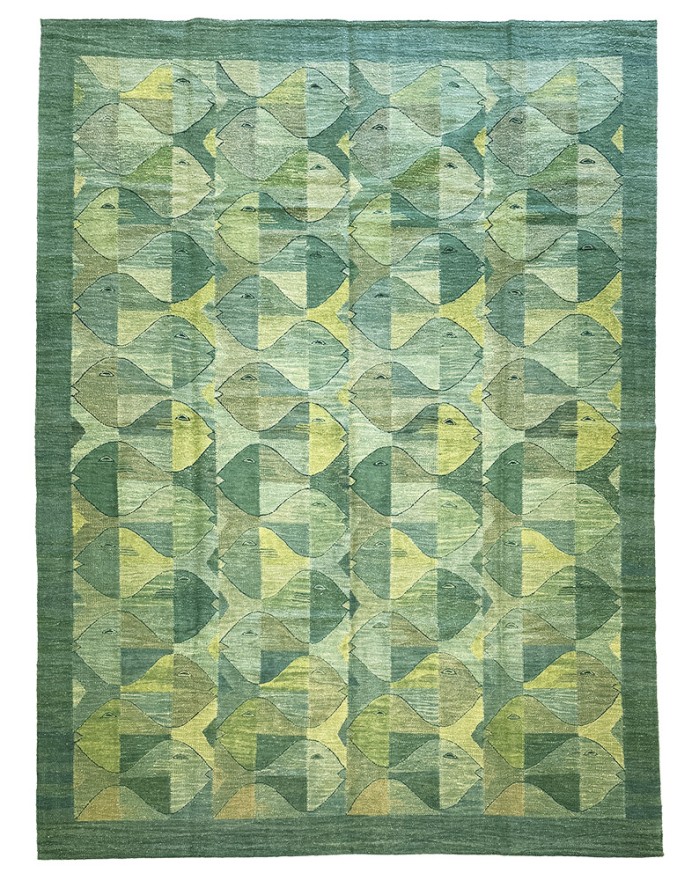
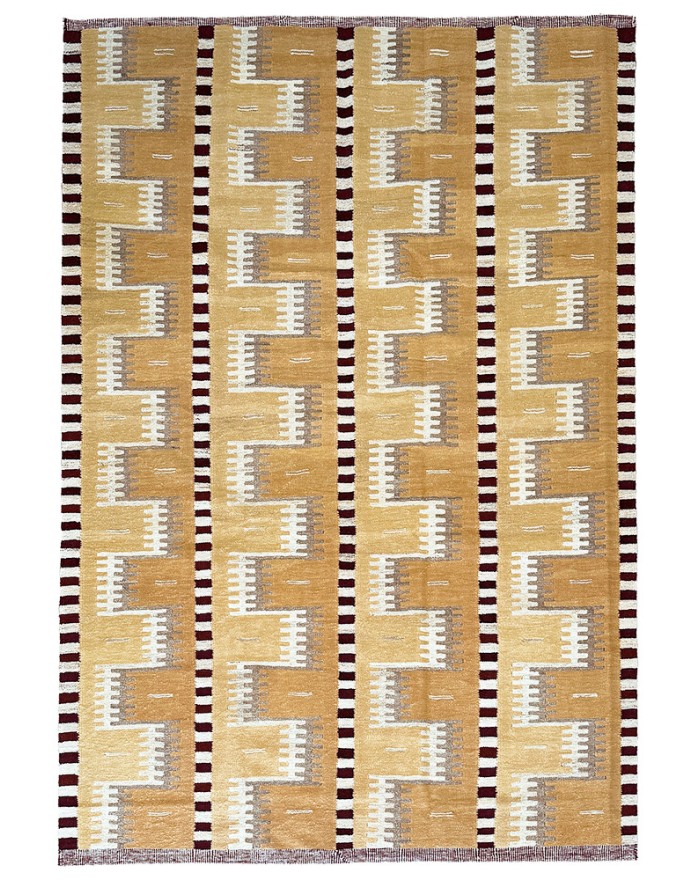
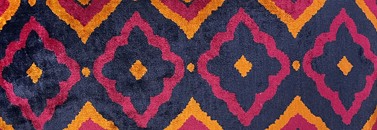
Late 19th century kilim from Khalajistan, northern Iran The comb and palmette motifs on this kilim are very characteristic of this region. However, this one is distinguished by the insertion of variable geometric motifs throughout the kilim, plus a few floating motifs that enliven the border. This is a rare piece.
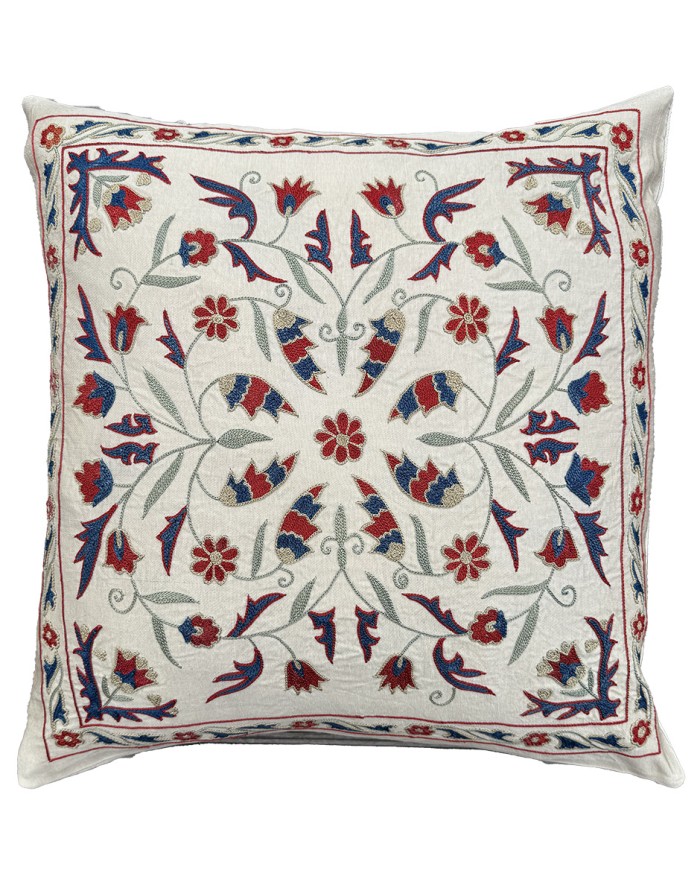
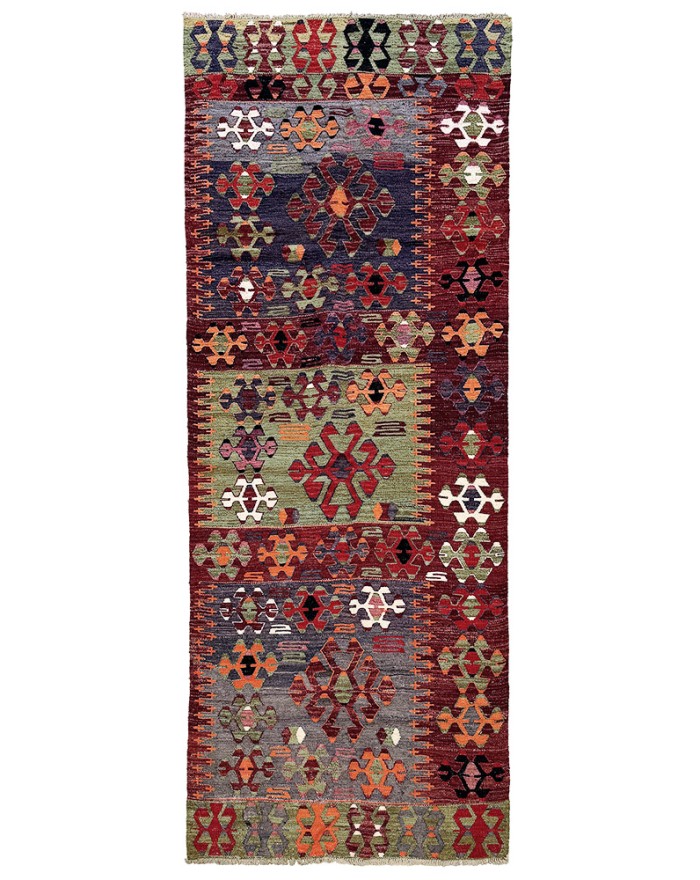
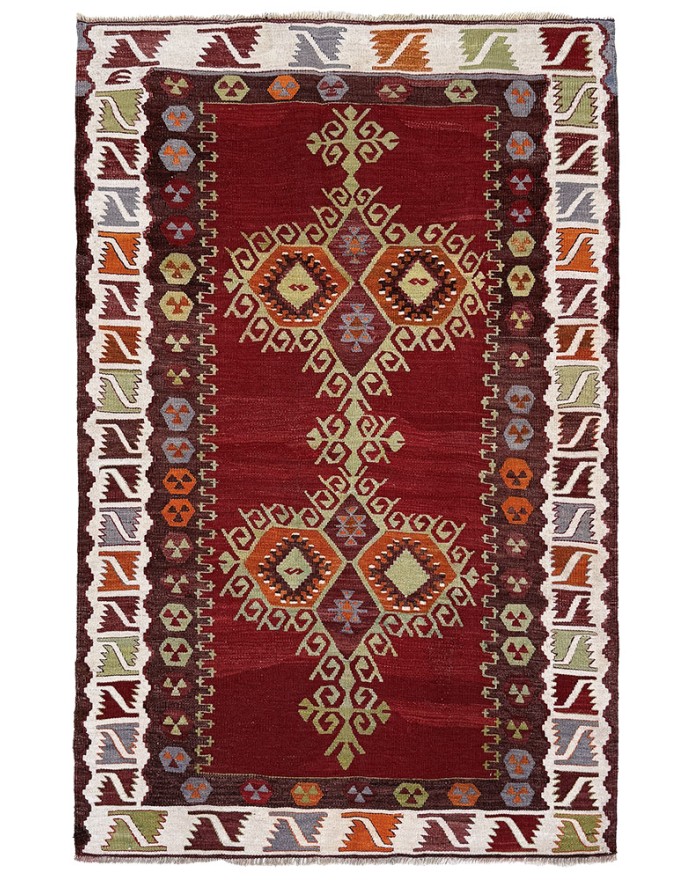
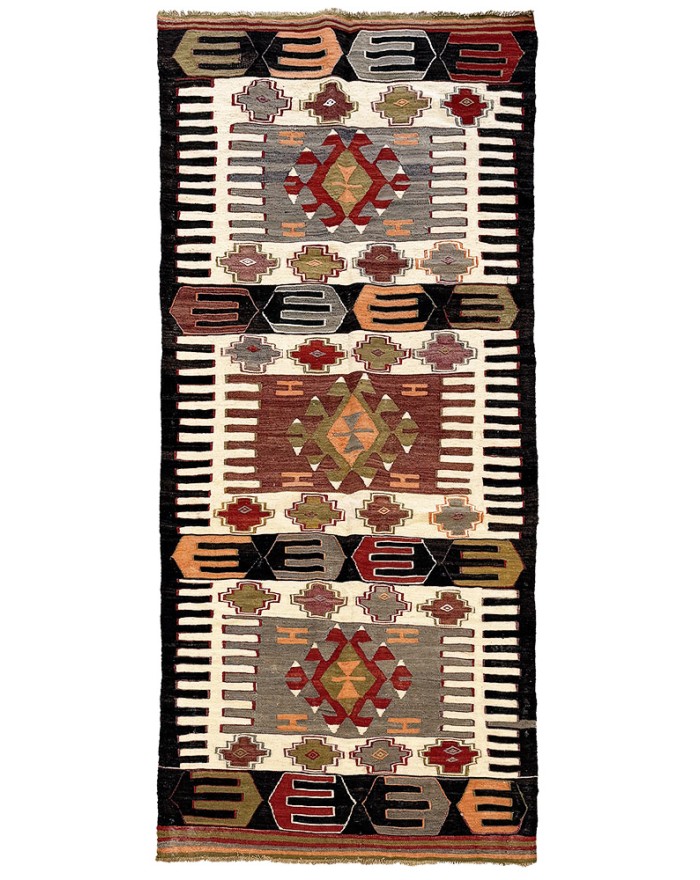
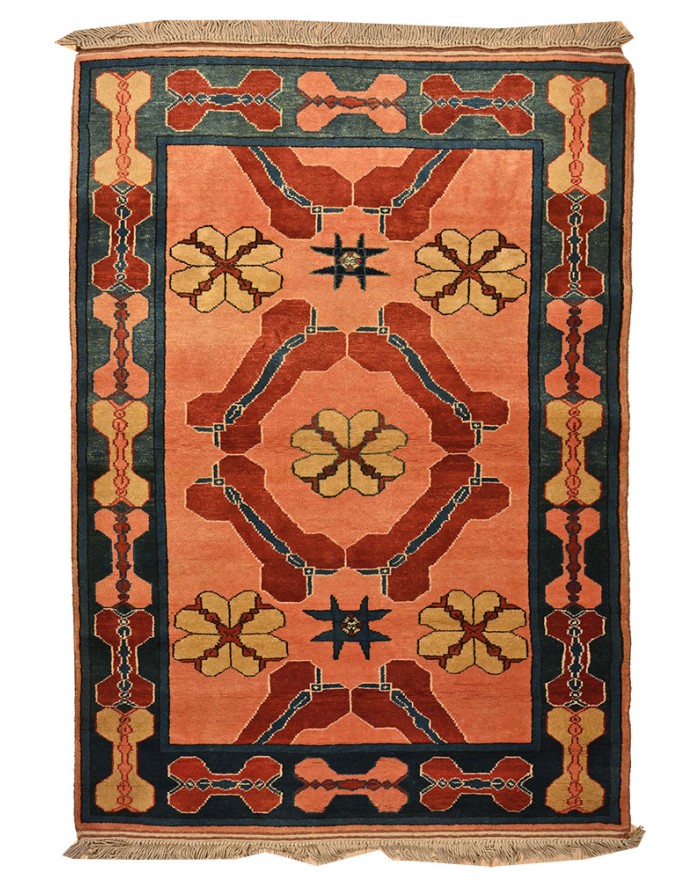
Kilim dated 1960, from southwestern Turkey The central medallions and colors of this kilim are very characteristic of this region. The elaborate borders are very beautiful.